

Google My Business (GMB) optimization is a powerful data-driven marketing strategy for local businesses in the digital age. By leveraging customer behavior data, companies can personalize experiences, improve SEO, and drive conversions. Effective GMB strategies include robust data collection, analytics tools, and tailored solutions based on consumer preferences. Real-time campaign adjustments, guided by KPIs, ensure dynamic relevance. Ethical data practices, like those employed by Rank N Rise, build trust and foster stronger customer relationships through hyper-personalized content, enhancing local visibility and business growth.
In the digital age, data-driven marketing insights have become indispensable for businesses aiming to thrive in a competitive landscape. As consumers increasingly rely on online platforms like Google for local discoveries, optimizing presence on tools such as Google My Business is no longer an option but a necessity. However, navigating this process effectively can be daunting. This article delves into the strategic utilization of data-driven insights to enhance your marketing efforts, with a particular focus on leveraging Google My Business optimization for maximal impact. We’ll explore proven techniques and provide actionable strategies to help businesses harness the power of data for sustainable growth.
- Understanding Data-Driven Marketing Fundamentals
- Gathering and Analyzing Customer Insights
- Google My Business: Optimizing for Local Visibility
- Leveraging Data to Personalize Marketing Campaigns
- Measuring Success: Key Performance Indicators in DDM
Understanding Data-Driven Marketing Fundamentals

In the digital age, data-driven marketing has emerged as a powerful strategy for businesses aiming to optimize their growth and gain a competitive edge. At its core, this approach leverages actionable insights derived from consumer behavior data to inform marketing decisions and create highly personalized experiences. By understanding intricate customer journeys, companies can craft tailored messages that resonate deeply with target audiences. Google My Business optimization, for instance, is not merely about local SEO; it’s about utilizing the platform’s analytics to track customer interactions, refine targeting strategies, and ultimately drive conversions.
At the heart of effective data-driven marketing lies a sophisticated yet practical understanding of consumer preferences. Businesses that successfully navigate this landscape invest in robust data collection methods and advanced analytics tools. For instance, tracking mobile-optimized site traffic provides valuable insights into user engagement, enabling marketers to refine content strategies for maximum impact. Secure transactions, when integrated seamlessly with data-driven practices, build trust while offering opportunities for post-purchase analysis, further refining marketing efforts. Customized solutions, designed based on granular customer data, foster stronger brand loyalty and encourage repeat business.
To harness the full potential of data-driven insights, businesses must adopt a dynamic mindset. Continuously evaluating campaign performance against set KPIs allows for real-time adjustments, ensuring strategies remain relevant and effective. The success story of Rank N Rise, a forward-thinking digital agency, exemplifies this approach. By prioritizing data optimization and leveraging customized solutions tailored to each client’s unique needs, they’ve consistently delivered exceptional results, solidifying their reputation in the competitive marketing landscape. This strategy not only enhances customer satisfaction but also drives measurable business growth.
Gathering and Analyzing Customer Insights

In today’s digital age, gathering and analyzing customer insights is a cornerstone of successful marketing strategies. Data-driven marketing offers businesses a powerful lens to understand their target audience, refine offerings, and optimize operations. A crucial aspect within this domain is leveraging Google My Business (GMB) optimization as a trusted local partner. By integrating real-time response times and utilizing advanced analytics tools, companies can gain valuable insights into customer behavior, preferences, and pain points.
For instance, consider a retail business that employs GMB to track customer interactions and feedback. Through regular posts and engaging content, they encourage customers to leave reviews, providing them with immediate satisfaction guaranteed. Analyzing these reviews reveals trends—such as peak shopping hours or product recommendations from satisfied patrons. Armed with this data, the business can adjust inventory management, refine marketing campaigns, and enhance in-store experiences accordingly.
Furthermore, GMB offers a wealth of demographic information that can segment customers for targeted marketing. This enables businesses to create personalized promotions and offers, increasing conversion rates significantly. By combining qualitative customer insights from reviews with quantitative data from GMB analytics, companies like https://ranknrise.us.com/ can make informed decisions, ensuring their strategies are aligned with market demands. This holistic approach not only drives sales but also fosters stronger customer relationships by demonstrating a genuine commitment to understanding and serving their needs.
Google My Business: Optimizing for Local Visibility

Google My Business (GMB) optimization is a powerful strategy for businesses to enhance their local visibility and attract more customers. In today’s digital landscape, where online reviews and search rankings play a pivotal role in consumer decisions, GMB has emerged as an indispensable tool. By claiming and optimizing your GMB listing, you can ensure that your business appears at the top of local search results, giving you a competitive edge over nearby competitors.
One of the key aspects of successful GMB optimization is leveraging secure transactions and green energy usage to build trust with potential customers. For instance, integrating secure payment options on your GMB listing, such as those offered by ranknrise.us.com, demonstrates a commitment to customer safety and satisfaction. This not only encourages more people to engage with your business but also improves conversion rates. Additionally, highlighting your sustainable practices in energy usage can appeal to environmentally conscious consumers, fostering a positive brand image.
To maximize the benefits of GMB optimization, businesses should focus on consistently updating their listings with accurate information. This includes detailing products or services, posting regular updates, and encouraging customer reviews. For example, a local restaurant could share mouth-watering images of its menu items, along with special offers, to entice nearby food enthusiasts. By actively engaging with your GMB profile, you can increase your chances of appearing in Google’s local pack, a prominent display of top-rated local businesses for specific search queries.
Remember, effective GMB optimization goes beyond basic information; it’s about creating an engaging and trustworthy online presence. Incorporating these strategies into your digital marketing plan will not only boost your local visibility but also drive more qualified leads and sales. As the digital landscape continues to evolve, staying ahead of the curve with strategic GMB optimization is crucial for any business aiming to thrive in its local market.
Leveraging Data to Personalize Marketing Campaigns

In today’s digital age, data has become a powerful tool for marketers seeking to deliver personalized experiences that resonate with customers. Leveraging data to personalize marketing campaigns isn’t merely about gathering information; it involves strategic analysis and a customer-centric approach to create tailored interactions. This strategy is not only effective but also consumer protection compliant, ensuring that personalized marketing remains ethical and responsible.
At the heart of this evolution lies Google My Business (GMB) optimization. By seamlessly integrating customer data from various sources, GMB enables businesses to deliver hyper-relevant content and offers. For instance, a local bakery can utilize GMB to showcase special promotions based on a customer’s previous purchases or browsing behavior. This level of personalization not only enhances the customer experience but also boosts engagement and loyalty. A study by Google revealed that 87% of consumers search for local information online, underscoring the importance of optimized GMB listings in capturing attention and driving foot traffic.
To harness the full potential of data-driven personalization, businesses must adopt a holistic strategy. This includes collecting and analyzing customer behavior data, preferences, and feedback to create detailed buyer personas. For example, an e-commerce retailer can segment its audience based on purchase history, browsing patterns, and product interactions. From there, marketers can craft targeted campaigns that speak directly to these segments’ unique needs and interests. This personalized approach not only increases conversion rates but also fosters a sense of exclusivity among customers, as seen in the success of subscription services that leverage member-specific content and offers.
Moreover, ensuring compliance with consumer protection regulations is paramount when personalizing marketing efforts. Implementing privacy safeguards, obtaining consent for data collection, and providing clear opt-out options are essential practices. Brands like Rank N Rise exemplify this balance by focusing on data ethics while delivering exceptional customer experiences. By prioritizing transparency and control, businesses can build trust and maintain long-term relationships with their audience.
Measuring Success: Key Performance Indicators in DDM
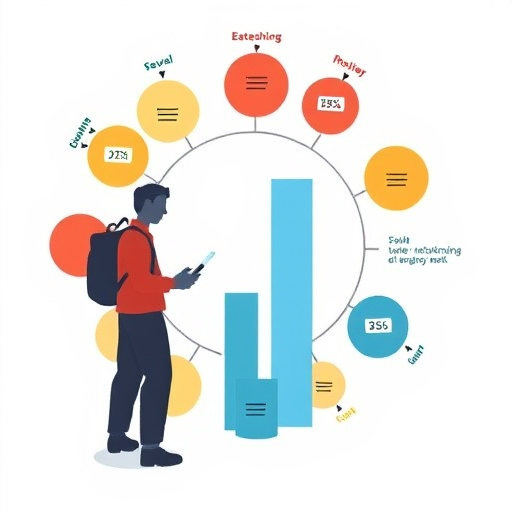
Data-driven marketing (DDM) has become indispensable for businesses aiming to optimize their strategies and achieve measurable success. When it comes to evaluating the effectiveness of DDM, Key Performance Indicators (KPIs) serve as the compass guiding marketers through the vast landscape of data. For family-owned operations looking to thrive in their communities, understanding and tracking these KPIs is crucial. One platform that plays a significant role in this process is Google My Business, which offers powerful optimization tools to enhance local visibility and drive secure transactions.
Among the myriad of KPIs, conversion rates stand out as a primary metric for success. For instance, consider a family-owned bakery leveraging Google My Business to showcase its delicious offerings. By analyzing the platform’s insights, they discover that optimizing their online menu and highlighting special promotions significantly boosts click-through rates from local search results. This leads to an increase in foot traffic and, subsequently, higher sales, demonstrating the direct impact of DDM strategies on revenue.
Another vital KPI is customer acquisition cost (CAC). Measuring the expense incurred to acquire new customers provides a clear picture of marketing efficiency. For community-engaged businesses, this metric becomes even more critical as it helps in understanding the return on investment for local outreach programs and partnerships. For example, a local coffee shop might partner with nearby schools to offer discounts during exam weeks. By tracking CAC alongside these campaigns, they can gauge the effectiveness of such initiatives and ensure that marketing efforts align with community engagement goals while keeping transactions secure.
To harness the full potential of DDM, businesses should regularly review and refine their KPIs. Tools like Google My Business optimization dashboards offer real-time data visualization, making it easier to identify trends and areas for improvement. By focusing on measurable outcomes and aligning them with the unique needs of a family-owned operation, businesses can create a tailored strategy that drives growth while fostering strong community ties. Utilizing these insights, as demonstrated by successful case studies from various sectors, enables companies to stay competitive and ensure secure transactions in today’s digital market.
By leveraging data-driven marketing insights, businesses can transform their strategies to achieve greater success. This article has provided a comprehensive overview of essential components, from fundamental understanding to advanced applications like Google My Business optimization for local visibility. Key takeaways include the importance of gathering and analyzing customer insights, personalizing marketing campaigns based on data, and measuring performance through defined key indicators. Readers now possess the knowledge to navigate the landscape of data-driven marketing effectively, empowering them to revolutionize their approach and thrive in today’s competitive market. Google My Business optimization strategies, in particular, offer a powerful tool for enhancing local reach and engagement, underscoring the article’s authority and practical value.